Introduction to peanut
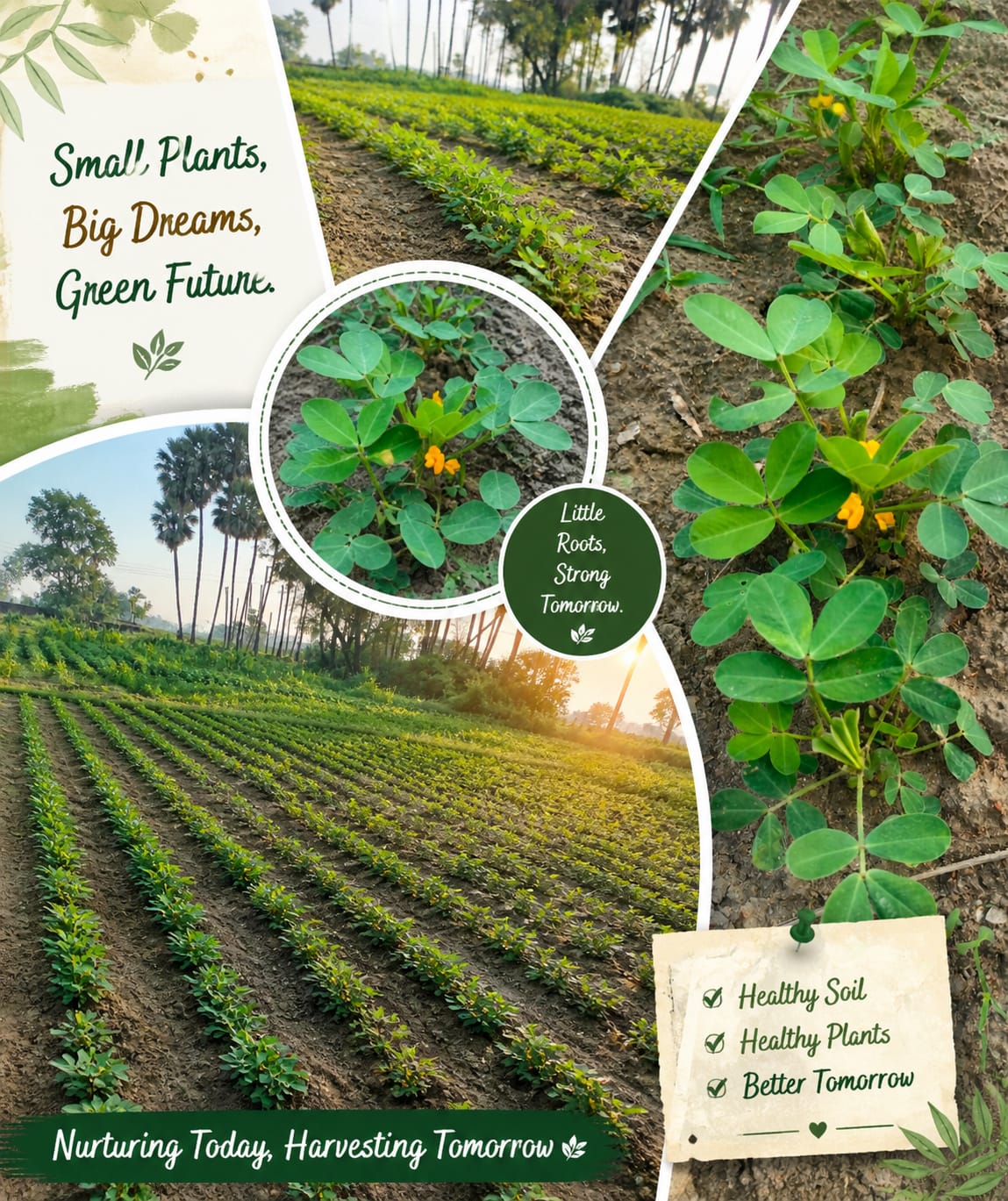
Peanut (Arachis hypogaea), commonly known as groundnut, is one of the most important oilseed crops in the world, valued for its high protein content and edible oil. It plays a crucial role in both food security and agricultural economies. India is among the leading peanut-producing countries, contributing approximately 15–18% of global production, while China (around 35–40%) and the United States also dominate the global market. The crop supports millions of farmers and contributes significantly to the edible oil industry and international trade.
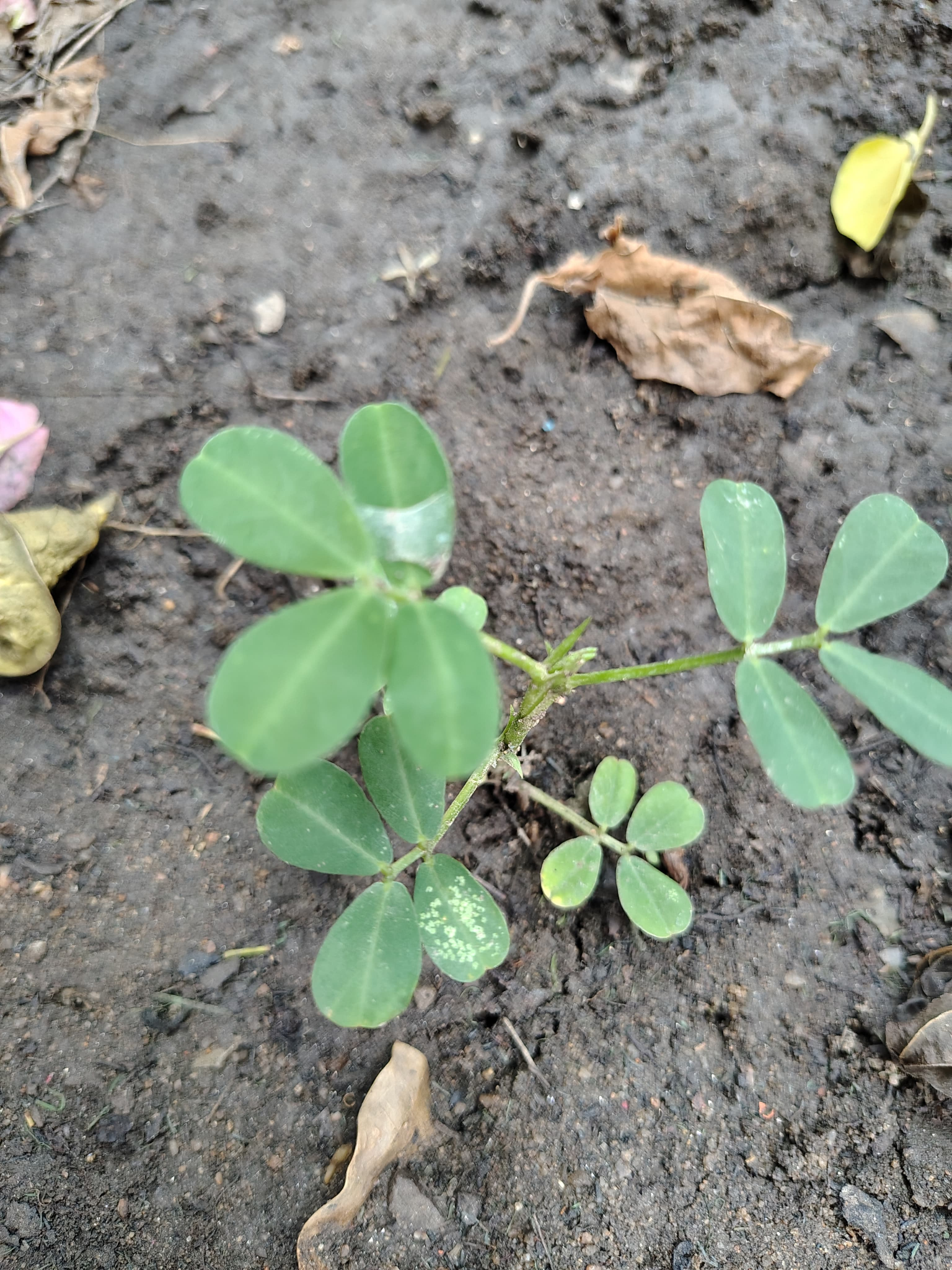
However, the economic potential of peanut is severely affected by plant diseases. In India, major diseases such as leaf spot (tikka disease), rust, and stem rot cause average yield losses of about 20–30%, which can rise to over 50% under severe conditions. Globally, peanut diseases are responsible for an estimated 15–25% annual yield loss — translating directly into lost productivity, lower farmer income, and reduced export value.
Classification of peanut diseases
Peanut pathogens fall into a few broad groups based on the causal agent. Identifying which group is in play is what determines whether the response is sanitation, vector control, resistant varieties, or biological agents.
Fungal and oomycete diseases
- Cercospora leaf spot / early leaf spot (Cercospora arachidicola, Cercospora personata)
- Peanut rust (Puccinia arachidis)
- Southern blight (Athelia rolfsii)
- White mold / Sclerotinia rot (Sclerotinia sclerotiorum)
- Fusarium wilt and Fusarium ear rot (Fusarium oxysporum f. sp. arachidis, Fusarium spp.)
- Powdery mildew (Leveillula taurica)
- Pod rot (Rhizopus spp., Aspergillus spp.)
Viral diseases
- Peanut Mottle Virus (PMV) — aphid-transmitted
- Groundnut Bud Necrosis Virus (GBNV) — thrips-transmitted
- Tobacco Streak Virus (TSV) — thrips-transmitted
Bacterial diseases
- Bacterial wilt (Ralstonia solanacearum)
Nematodes and insect-vector pressure
- Root-knot nematodes (Meloidogyne spp.)
- Peanut cyst nematode
- Peanut aphid (Aphis craccivora) — important as a virus vector
Leaf spot diseases
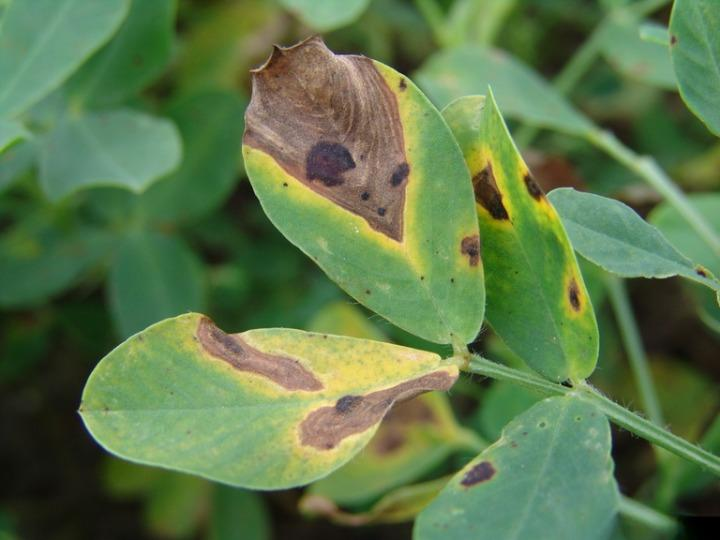
Cercospora leaf spot, caused by Cercospora arachidicola, is one of the most common peanut diseases. It produces circular lesions with a light grey centre and a dark border on the leaves, leading to early leaf drop and reduced photosynthesis. Early leaf spot, caused by Cercospora personata, presents similarly with circular lesions and can drive significant yield loss when left uncontrolled.
Both pathogens build inoculum on lower leaves and spread upward as canopy humidity rises. They are the single biggest preventable defoliation problem in peanut, and the reason almost every commercial protocol includes early-season foliar protection.
Peanut rust
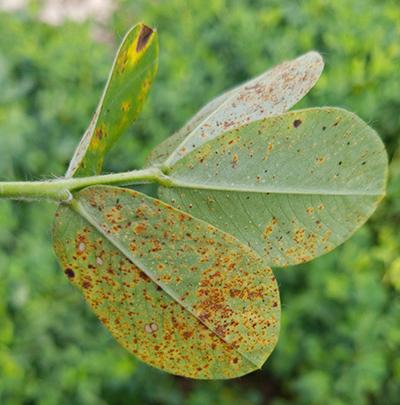
Peanut rust, caused by the fungus Puccinia arachidis, produces reddish-brown pustules on the underside of the leaves. It causes premature leaf drop and weakens the overall plant, ultimately reducing pod yield. Rust often co-occurs with leaf spot — once both are established, defoliation accelerates and pod fill suffers.
Root and stem rots
Southern blight, caused by Athelia rolfsii, is a soil-borne fungal disease that attacks the lower stems and roots of peanut plants. Infected plants wilt, yellow, and eventually collapse. The disease is exacerbated by high humidity and warm temperatures and is one of the harder problems to recover from once established in a field.
White mold, caused by Sclerotinia sclerotiorum, leads to wilting and rotting of stems and roots. It is common in fields with poor drainage and persistent canopy humidity. Both diseases survive in the soil between seasons, so rotation and sanitation are essential controls.
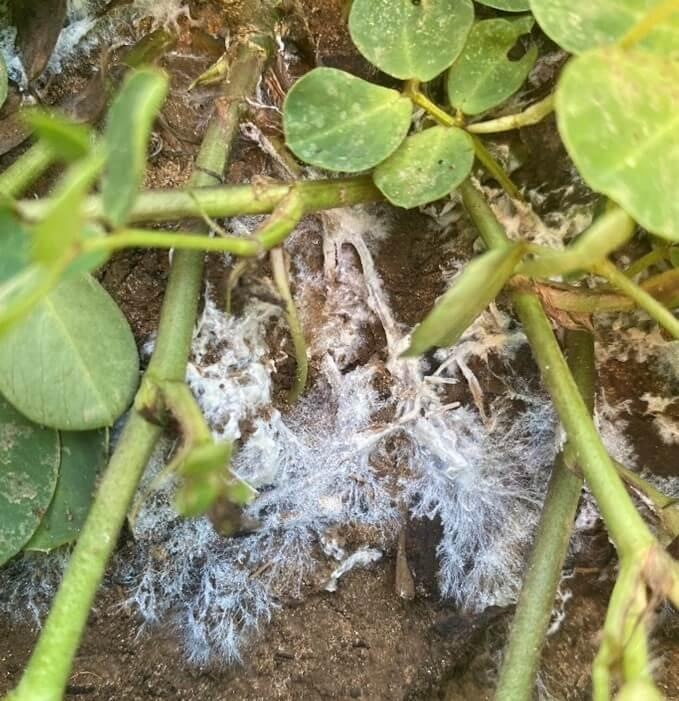
Fusarium diseases
Fusarium wilt, caused by Fusarium oxysporum f. sp. arachidis, attacks the vascular system of the plant, leading to yellowing and wilting of the leaves. It often results in poor root growth and premature plant death. Fusarium ear rot, caused by Fusarium species, attacks the pods themselves and produces mycotoxins that are harmful to both humans and livestock — making it a food-safety problem, not just a yield problem.
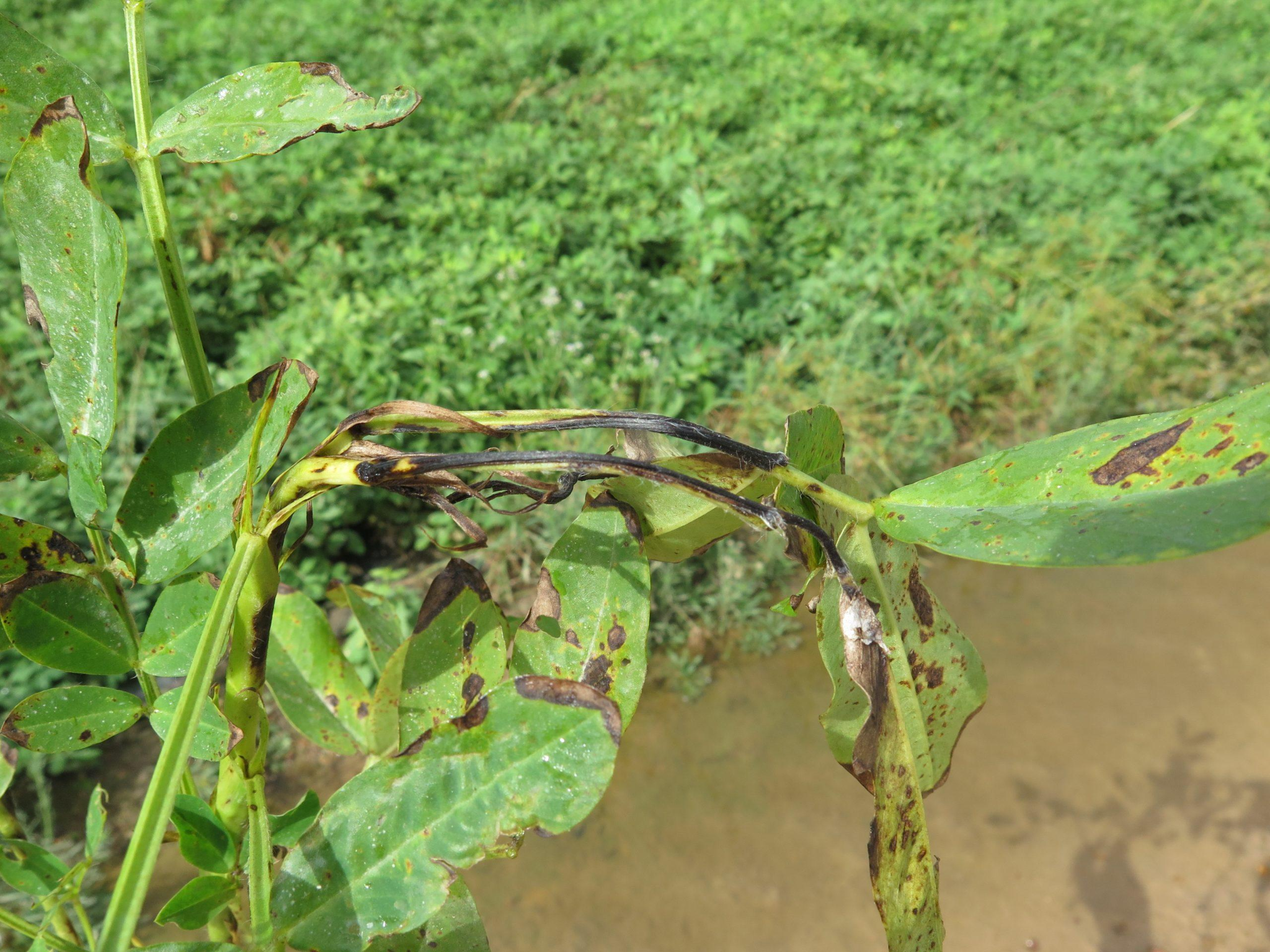
Mosaic and necrosis viruses
Peanut Mottle Virus (PMV) causes yellowing, stunting, and mosaic patterns on the leaves. It is spread by aphids and reduces both vegetative growth and pod yield. Once a plant is symptomatic, there is no curative treatment — control is built around vector management and clean planting material.
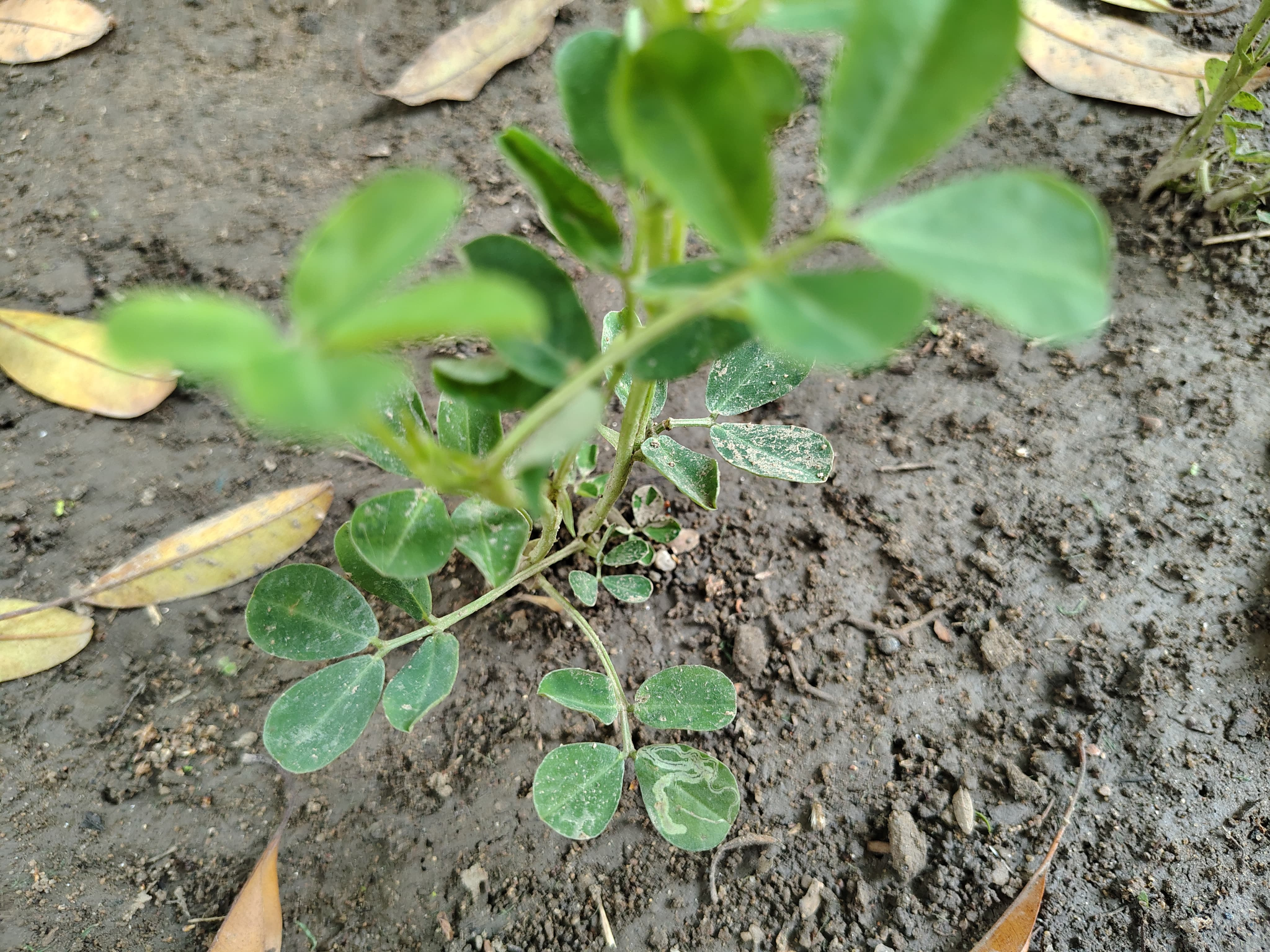
Groundnut Bud Necrosis Virus (GBNV) is spread by thrips and causes necrosis of buds and leaves, leading to stunted growth and reduced pod formation. Tobacco Streak Virus (TSV), also thrips-transmitted, produces yellowing, necrosis, and mottling of leaves and can be devastating in regions with high thrips populations.
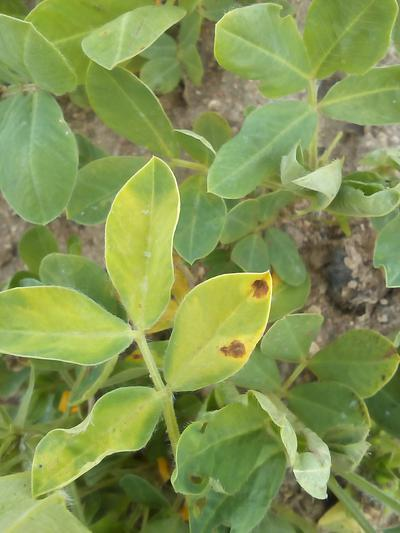
Nematode infestations
Root-knot nematodes (Meloidogyne spp.) form galls on peanut roots, impairing nutrient and water uptake and producing stunted, chlorotic plants. Peanut cyst nematodes form cysts on roots, suppress vigour, and yellow the canopy. Both are diagnosed by lifting plants and inspecting the root system rather than by foliar symptoms alone.
Powdery mildew
Powdery mildew, caused by Leveillula taurica, appears as a white, powdery coating on leaves and stems. It reduces photosynthetic capacity and overall plant health, particularly under dry, moderate-temperature conditions, and can cause meaningful yield loss when it establishes during pod fill.
Peanut aphid — the vector that matters
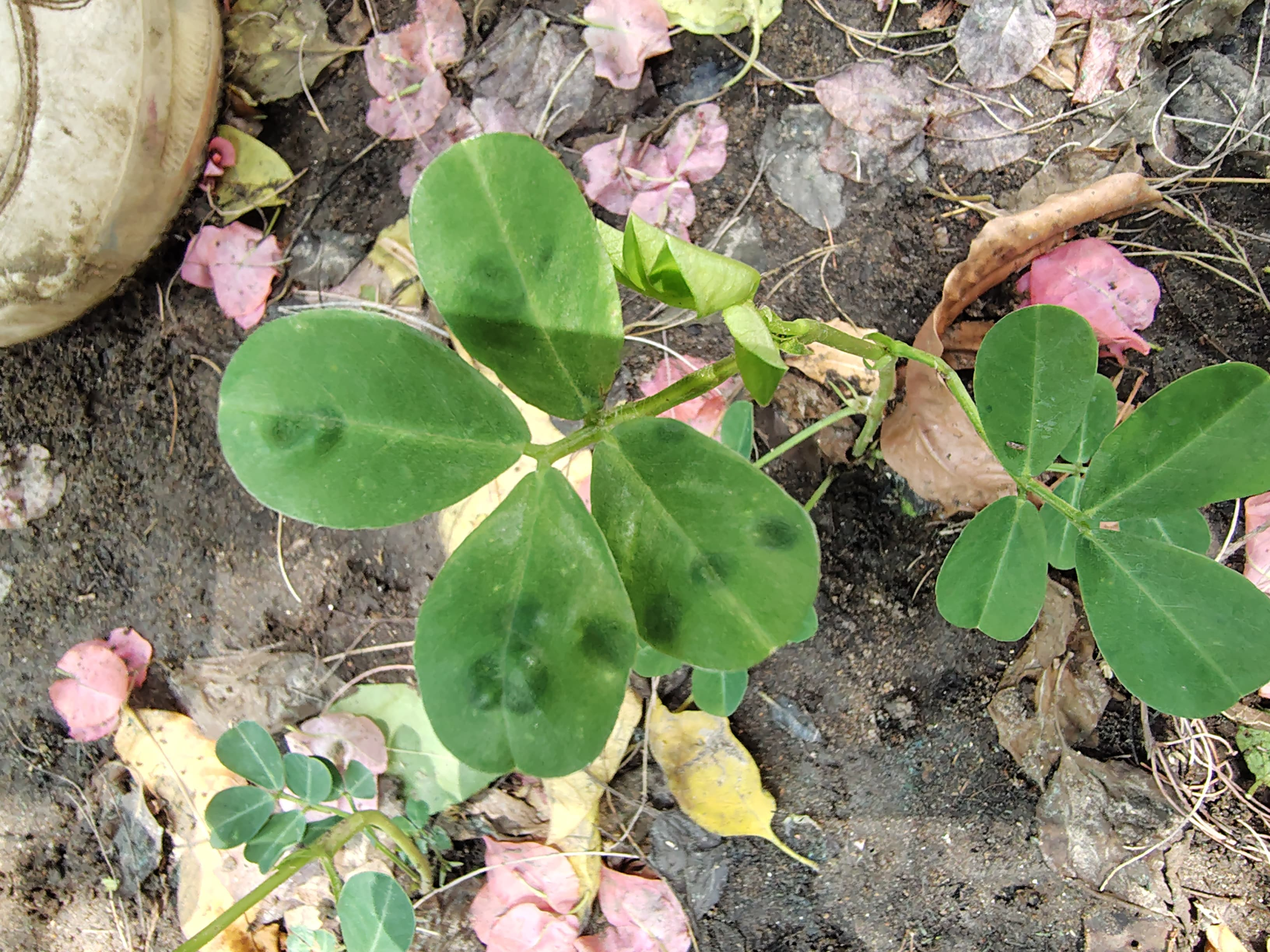
The peanut aphid (Aphis craccivora) is not a disease in itself, but it is one of the most consequential insects on the crop because it transmits viral diseases — most importantly Peanut Mottle Virus (PMV) and Groundnut Bud Necrosis Virus (GBNV). Aphids suck sap, weaken the plant directly, and act as the delivery mechanism for viruses that have no curative treatment.
Bacterial wilt
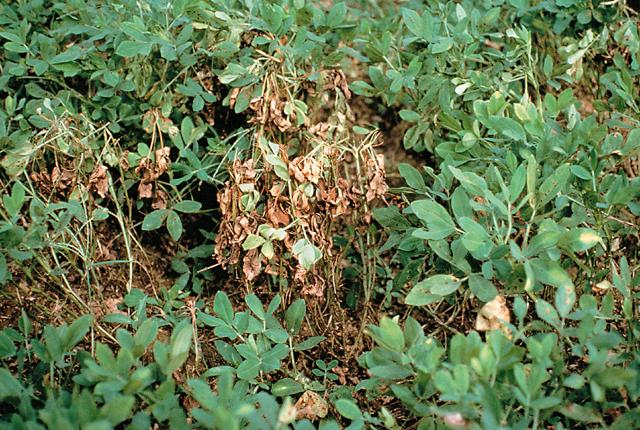
Bacterial wilt, caused by Ralstonia solanacearum, results in wilting, yellowing of leaves, and ultimately plant death. The pathogen colonises the vascular system and shuts down water transport. Control depends on field sanitation, crop rotation, and resistant varieties — chemical interventions are limited.
Pod rot
Pod rot, caused by a range of fungi including Rhizopus and Aspergillus species, leads to rotting of peanut pods, especially under wet conditions. It reduces both the quality and the quantity of harvest, and Aspergillus contamination raises the additional risk of aflatoxin in stored kernels.
Disease management and biocontrol
Sustainable peanut cultivation increasingly relies on biological control rather than blanket chemical sprays. Beneficial microbes — endophytes and rhizosphere bacteria — can suppress pathogens while improving plant vigour, and they target the same root and seedling stages where most yield is lost.
Cultural and sanitary practices
- Use certified, disease-free seed and seedlings
- Rotate peanut with non-host crops to break soil-borne disease cycles (especially for southern blight, white mold, and Fusarium)
- Improve drainage and avoid waterlogged, low-aeration soils where Sclerotinia and Athelia thrive
- Rogue and destroy virus-symptomatic plants to remove inoculum from the field
- Manage aphids and thrips with yellow sticky traps and insect-proof nets in nurseries to break PMV, GBNV, and TSV transmission
Biocontrol agents
- Trichoderma spp. — seed and soil treatment to suppress damping-off, southern blight, and early Fusarium infection
- Bacillus subtilis and Bacillus velezensis — root-zone colonisers that prime plant defences against soil-borne fungi
- Pseudomonas fluorescens — induces systemic resistance against bacterial wilt and several foliar pathogens
- Beauveria bassiana / Lecanicillium spp. — entomopathogens targeting aphids and thrips to break the virus-transmission cycle
Quick yield-loss reference
- Cercospora / early leaf spot: 20–50% under heavy pressure
- Peanut rust: 20–50% when combined with leaf spot
- Southern blight (Athelia rolfsii): 20–80% in infested fields
- White mold (Sclerotinia): 10–60% under wet, dense canopies
- Fusarium wilt and ear rot: 10–40%, plus mycotoxin risk
- Peanut Mottle Virus: 20–60%
- Groundnut Bud Necrosis Virus: 30–90%
- Bacterial wilt: 30–100%
- Pod rot: 10–50%, plus storage aflatoxin risk
Conclusion
Peanut is one of the most economically important oilseed crops in the world, but its yield is uniquely vulnerable to a stack of soil-borne, foliar, vascular, and vector-borne diseases. Visual identification gets you to the right diagnosis fast; clean seed, vector management, drainage, rotation, and microbial biocontrol keep the crop in the ground long enough to harvest it. Build the season around prevention — not rescue sprays — and the 20–30% baseline yield loss stops being inevitable.
Written by
Swati Singh
Research Assistant
Research Assistant at exRNA Agro, focused on peanut (Arachis hypogaea / groundnut) crop health, disease diagnostics, and sustainable cultivation practices.