
Introduction
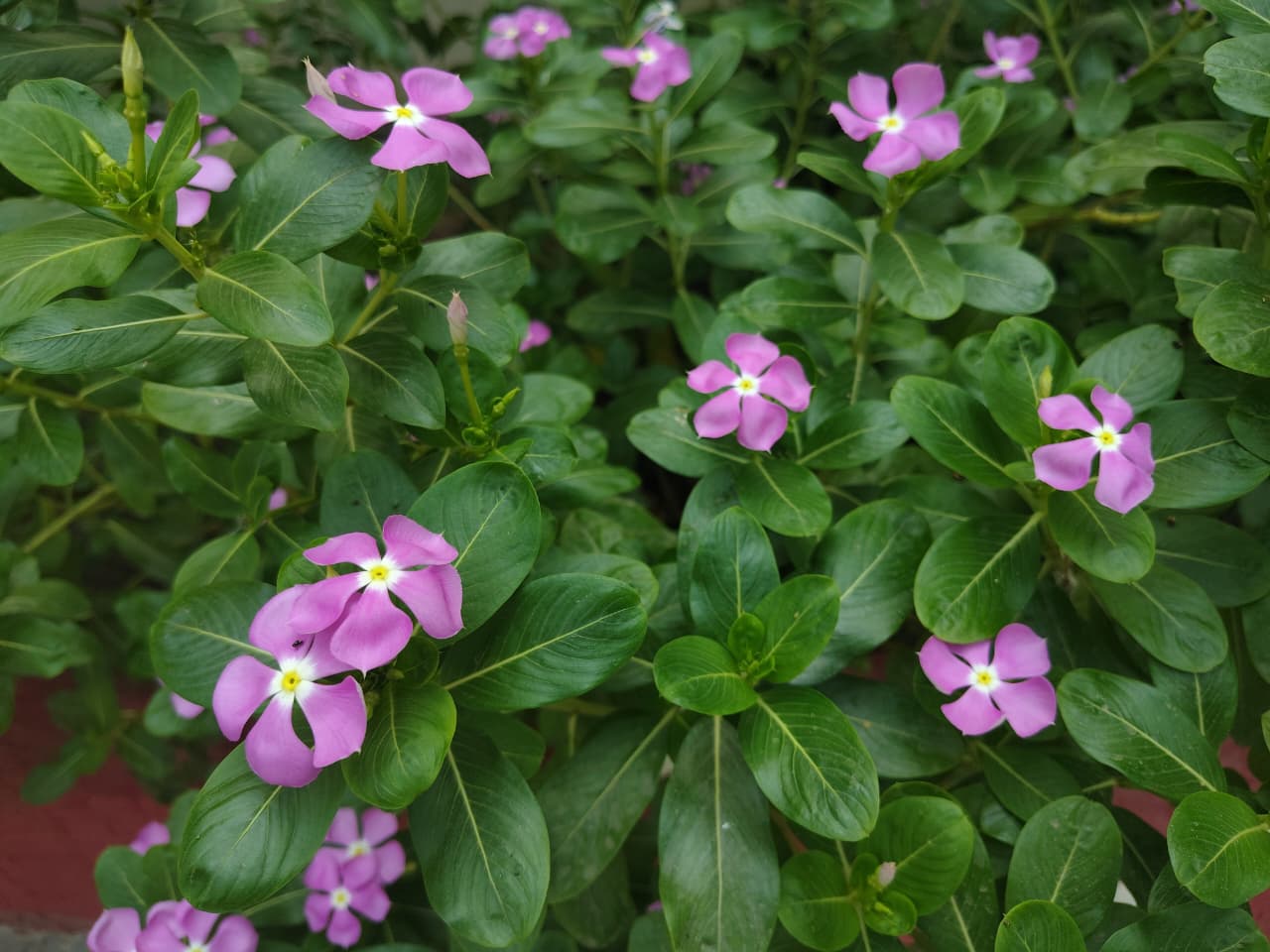
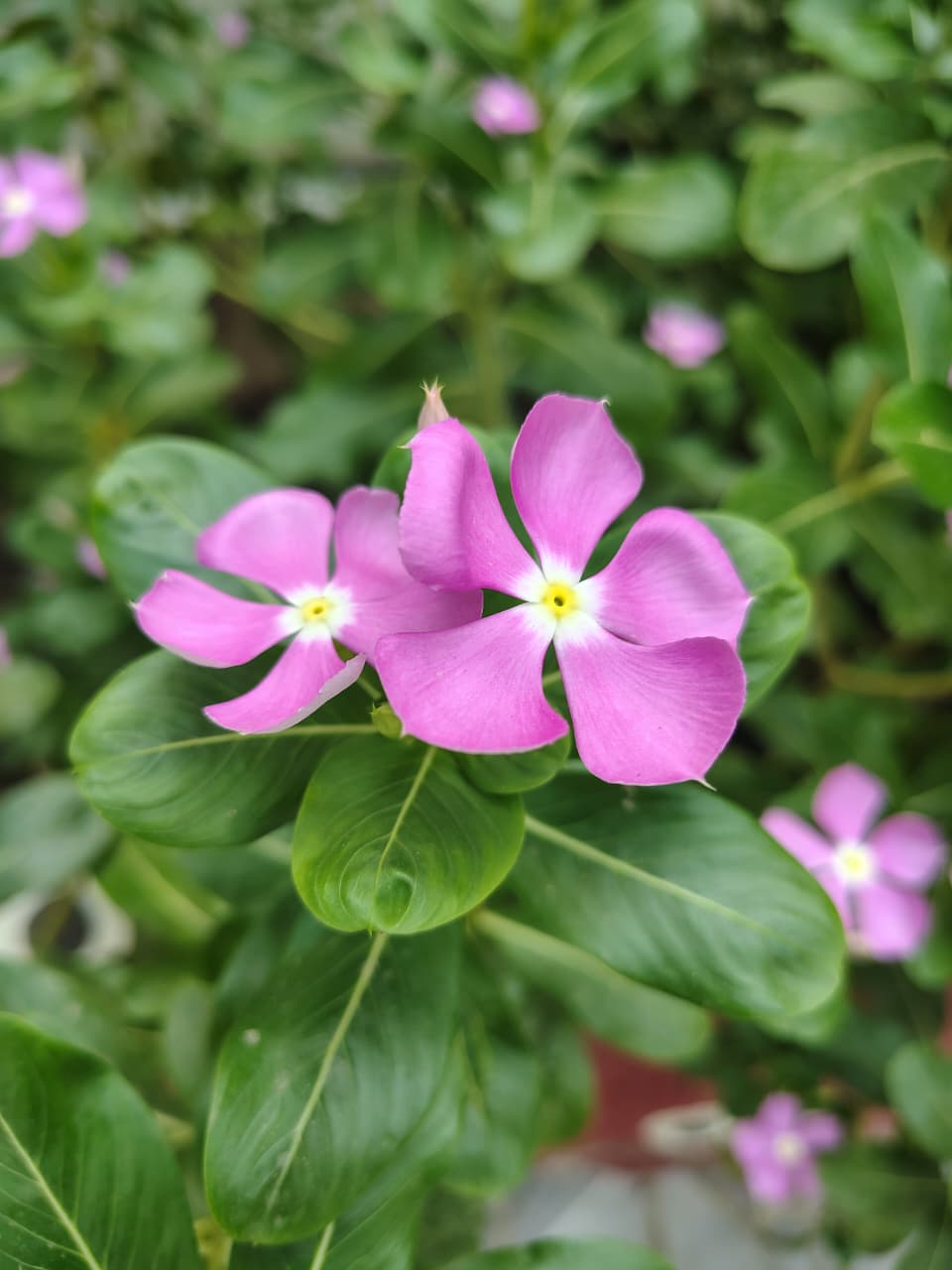
Catharanthus roseus, commonly known as Madagascar periwinkle, is one of the most important medicinal plants in modern pharmaceutical research. Native to Madagascar but widely cultivated across tropical and subtropical regions, Catharanthus roseus has gained global attention due to its production of the alkaloids vincristine and vinblastine, which are used in cancer treatment.
Economic and commercial importance
Catharanthus roseus holds significant economic importance because of its medicinal properties. The plant is primarily cultivated for its alkaloids — vinblastine and vincristine — which are key ingredients in cancer chemotherapy. Its cultivation plays a vital role in the agricultural and pharmaceutical industries, supplying the global economy with raw material for drug production.
In India, it is grown not only for its medicinal use but also as an ornamental plant. Sustained global demand for these alkaloids has stimulated extensive research into sustainable farming practices and improved cultivation, lifting the market for Catharanthus roseus to greater commercial relevance.
Global production, import, and export
Global production
The plant is primarily cultivated in tropical and subtropical regions. Major producers include India — where the focus on its pharmaceutical potential continues to grow — alongside Madagascar (its native region), parts of Africa, and Southeast Asia. India is one of the largest cultivators of Catharanthus roseus globally.
Imports and exports in India
India plays a major role in the production of Catharanthus roseus for both domestic and international markets. The plant is exported worldwide to pharmaceutical companies — especially in North America and Europe — for the extraction of alkaloids. India also imports specialized cultivars and research-based varieties to enhance production.
Global trade flows
The leading importers of Catharanthus roseus-derived products are the United States, Germany, and China — primarily in the form of alkaloids used in cancer treatment.
Diseases affecting Catharanthus roseus
Catharanthus roseus is prone to several diseases. Early identification and integrated management are essential to maintain alkaloid yield and plant health.
Fungal infections
- Powdery mildew (Leveillula taurica) — appears as a white, powdery coating on leaves; managed with fungicides and improved air circulation around the plant.
- Root rot (Fusarium spp.) — prevented by using well-drained soil and avoiding overwatering, which otherwise creates a favourable environment for the pathogen.
Viral infections
- Cucumber Mosaic Virus (CMV) — causes stunted growth and mosaic patterns on leaves; controlled by removing infected plants and using virus-free seeds.
Bacterial infections
- Bacterial wilt (Ralstonia solanacearum) — leads to wilting and yellowing; controlled by crop rotation and proper field sanitation.
Nematode infestation
- Root-knot nematodes damage roots and reduce vigour. Resistant varieties and soil fumigation are effective control measures.
Global benefits and contribution to cancer treatment
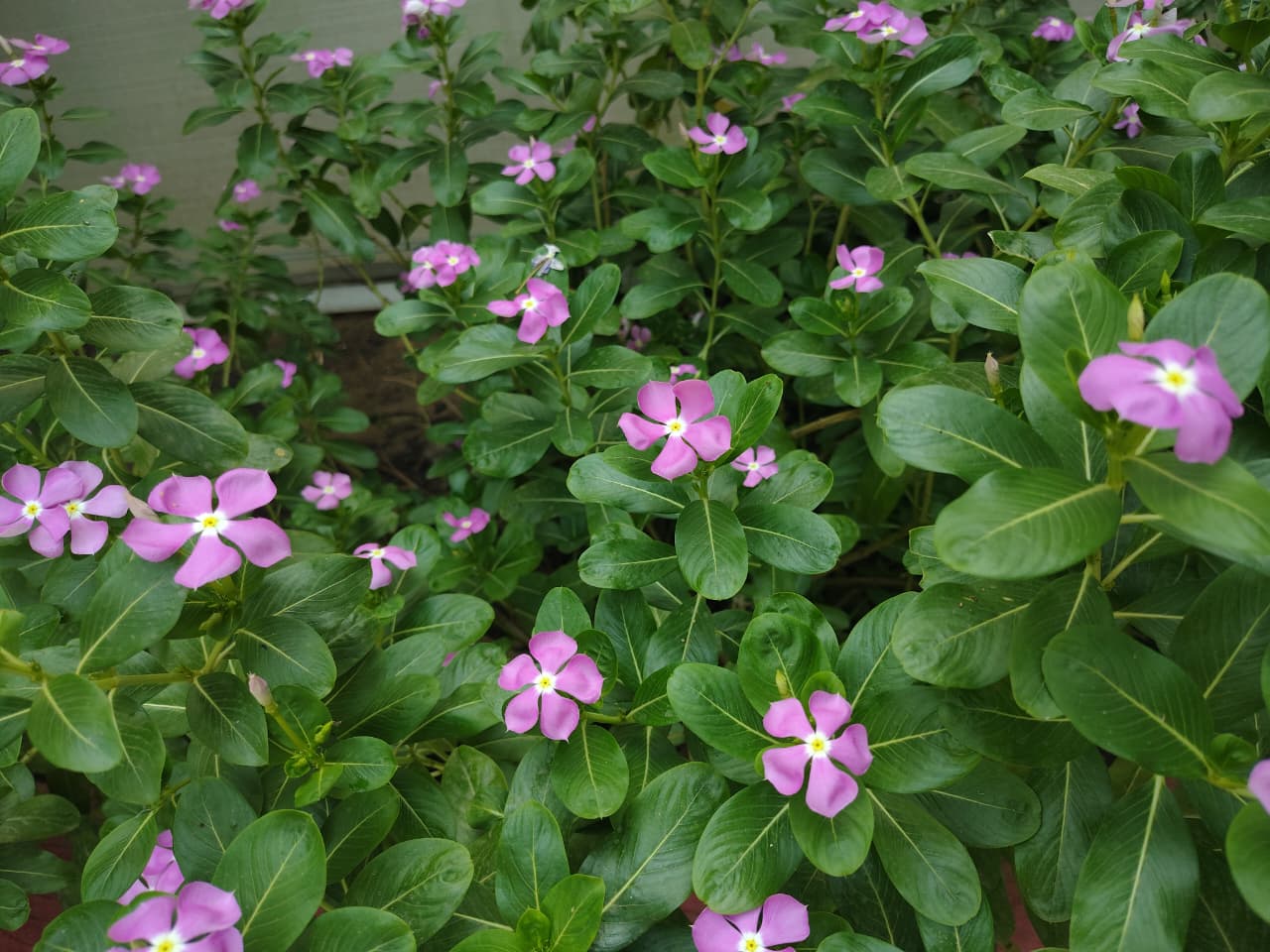
The global benefits of Catharanthus roseus go well beyond its ornamental beauty. Its alkaloids — vincristine and vinblastine — have delivered impactful, life-saving treatments in oncology, including therapies for leukemia, lymphoma, and breast cancer, and have improved survival rates for countless patients worldwide.
In modern medicine, Catharanthus roseus plays a crucial role in chemotherapy. Its alkaloids inhibit cancer-cell division and form the backbone of multi-drug therapeutic regimens used against aggressive cancers.
Medicines made from Catharanthus alkaloids
The primary medicines derived from Catharanthus roseus are the alkaloids vincristine and vinblastine.
Vincristine
Essential in the treatment of leukemia, Hodgkin's lymphoma, and several other cancers. Vincristine inhibits cancer-cell growth by disrupting cell division, making it a critical component of chemotherapy regimens.
Vinblastine
Used to treat lymphoma, breast cancer, and testicular cancer. Like vincristine, vinblastine works by disrupting the cell-division process and preventing the spread of cancer cells.
Both medications are essential to modern cancer treatment and have contributed to saving millions of lives worldwide.
Conclusion
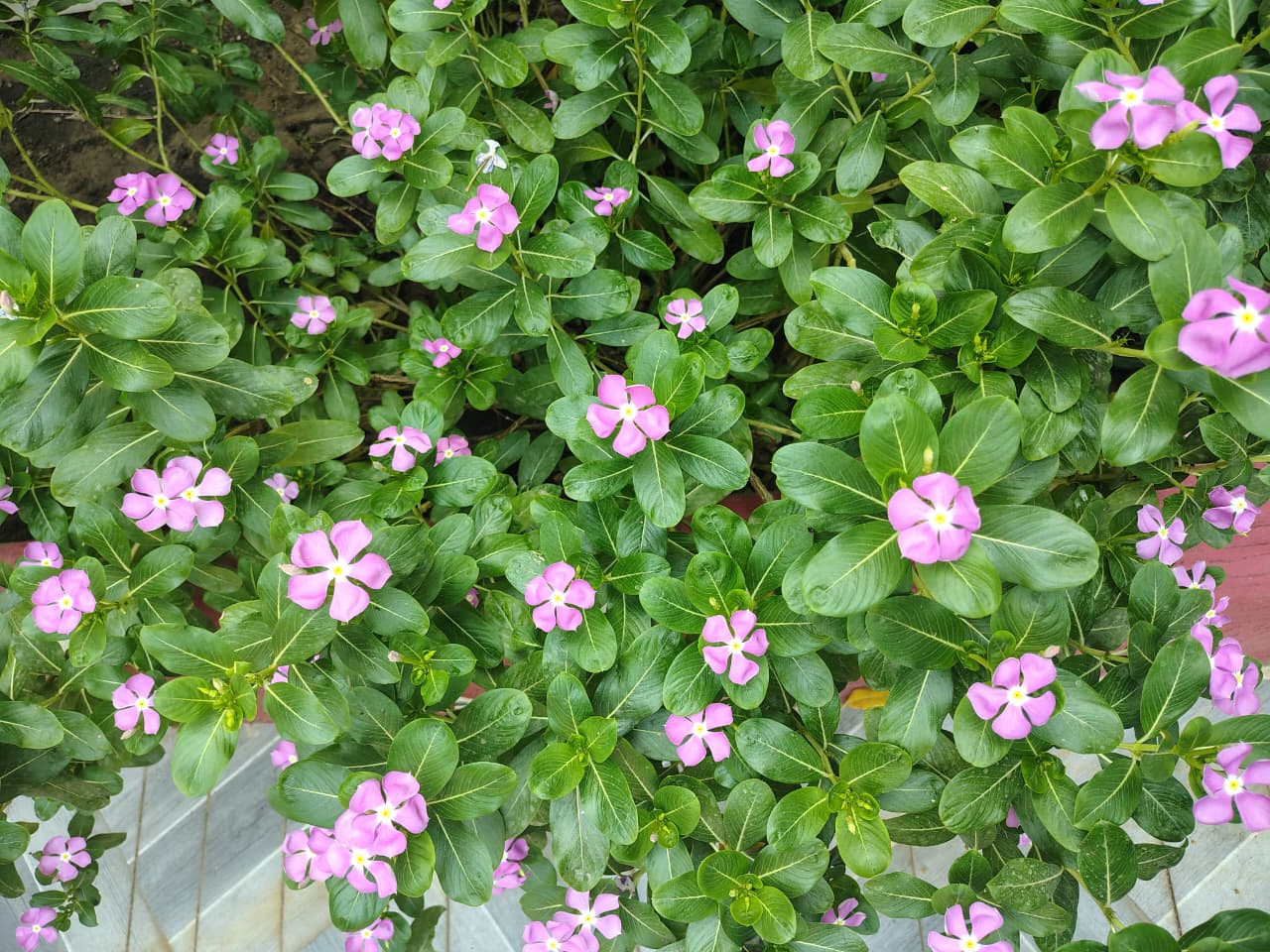
Catharanthus roseus is much more than a beautiful ornamental plant — it is a global powerhouse in the fight against cancer. Its alkaloids, vincristine and vinblastine, have made a remarkable impact on modern cancer treatment, while its cultivation continues to deliver significant economic and medicinal value worldwide. Roughly 90% of the global profit from Catharanthus roseus is driven by the pharmaceutical industry, with a smaller share from ornamental and agricultural markets. By addressing cultivation challenges, improving sustainability, and complementing traditional cultivation with RNA-led seed and crop interventions, the long-term contribution of Catharanthus roseus can continue to grow.
Written by
Shashi Sarika
Research Assistant
Research Assistant at exRNA Agro, focused on Catharanthus roseus (Madagascar Periwinkle) — medicinal alkaloids, cultivation, disease management, and RNA-led seed-treatment trials.